
Adding value for your metal plate products.


When a roofing sheet producer accepts several panel orders, the machine may spend valuable workshop time being adjusted instead of making saleable sheets. Operators remove or reposition parts, search for previous settings, feed trial material and correct the profile repeatedly. The problem is not always the forming speed. It is often the time between the last good sheet of one order and the first approved sheet of the next.
A roof roll forming machine should be evaluated by both production performance and setup efficiency. Buyers can reduce uncertainty by defining products, adjustment points and a repeatable inspection method before purchase.
Quoted speed describes only one part of production. A factory making long campaigns of one roofing profile may change settings infrequently. A workshop serving many small orders may change profile, material or sheet length several times in a week. In the second case, setup losses can have a larger effect on usable output than a small difference in nominal running speed.
Changeover efficiency has three practical elements: how much hardware must be changed, how clearly adjustment positions are identified and how quickly the first trial sheet can be approved. Improving these elements gives the feature of a more repeatable setup process, the advantage of less trial-and-error work and the benefit of more predictable order scheduling with less coil consumed during adjustment.
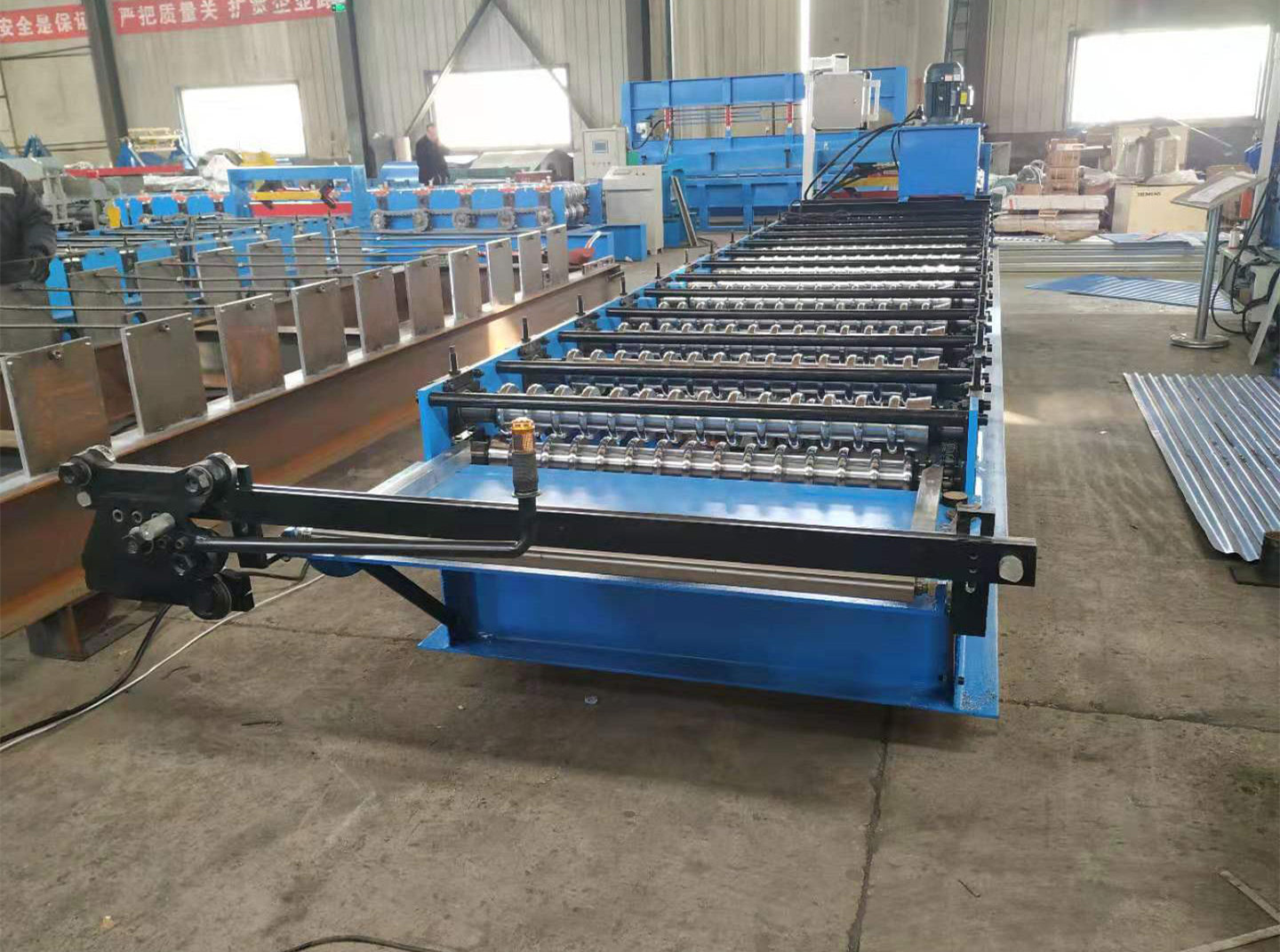
Not every new order requires a full mechanical changeover. If the profile remains the same, operators may only need to confirm coil details, enter length and quantity settings and verify the first sheet. A different material thickness or mechanical behavior may require additional process adjustment. A different panel profile can require dedicated rolls, another forming layer or a separate line, depending on the machine design.
Buyers should avoid assuming that one machine can switch freely among unrelated profiles. A single-layer line, double-layer line and other multi-profile arrangements solve different production needs. Before ordering, ask the supplier to identify exactly which planned products the proposed configuration supports and what operators must change for each one.
Efficient changeover begins before the operator touches the machine. Group orders by profile and compatible material, and provide drawings or samples for every planned panel. The supplier can then explain whether they require different tooling, a layered arrangement or separate equipment.
Useful features are those that make required work accessible, identifiable and repeatable. Examples may include clearly marked adjustment locations, accessible forming stands, organized tooling storage, documented reference positions and a control interface that allows operators to enter production length and quantity. Their availability and design vary by machine and should be confirmed in the quotation.
The FAB value is straightforward. Clear reference points are the feature. Operators can return closer to a previously approved setup without relying only on memory, which is the advantage. The factory gains a shorter, more consistent restart process and reduces dependence on one experienced person, which is the benefit.
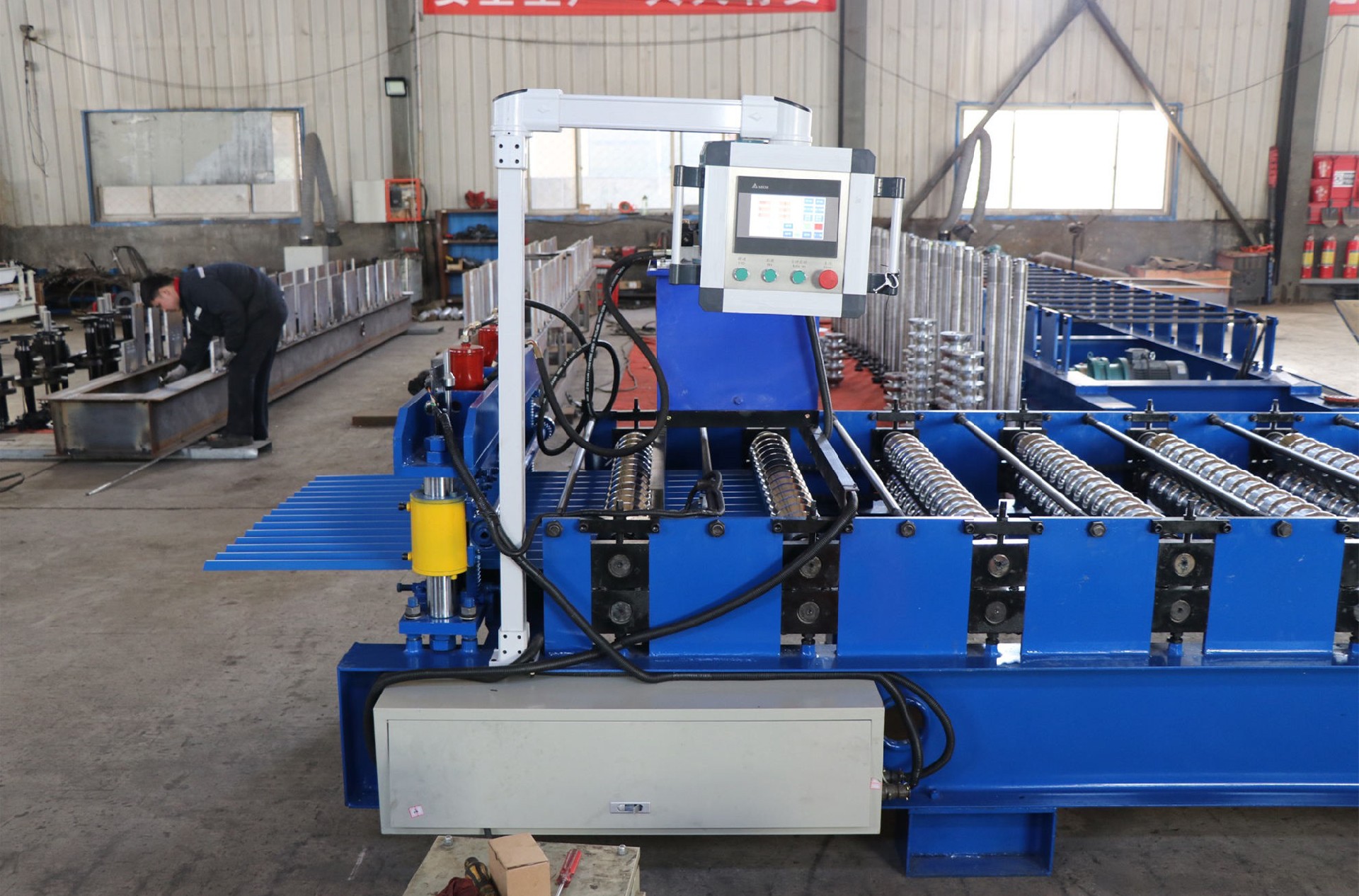
However, controls do not automatically reposition mechanical tooling unless the machine is specifically designed to do so. Buyers should ask what the control system changes, what remains manual and whether any optional assisted adjustment is included.
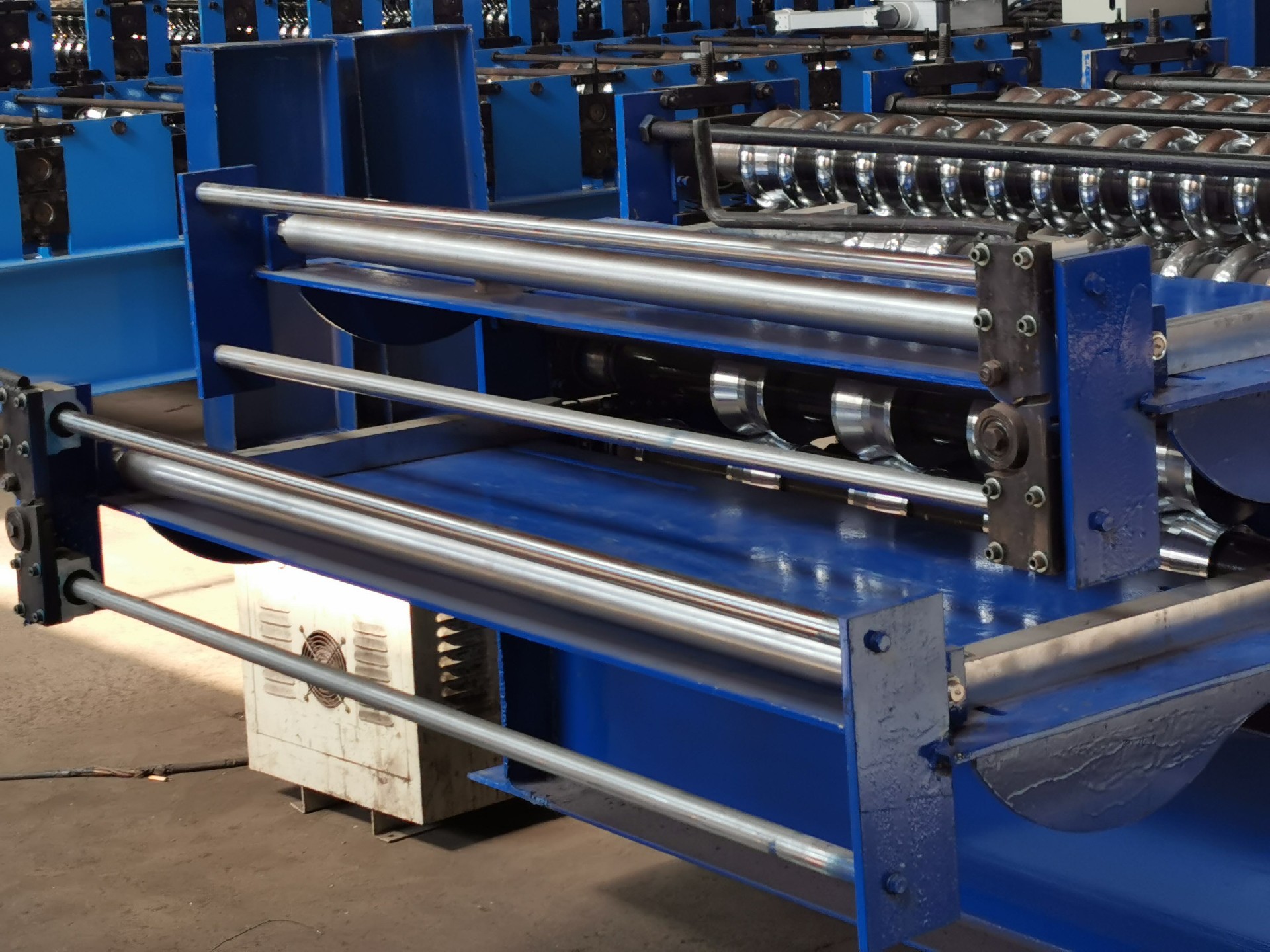
An operator may remember a familiar setup today, but that knowledge can be lost after staff changes or a long production interval. A setup sheet should record the product code, coil specification, relevant stand or guide positions, control settings, cutting information and the inspection result from the approved first piece.
Fast setup is useful only when the output meets the agreed requirement. The first-piece check should use the drawing, sample or acceptance criteria defined for that panel. Depending on the product, operators may check the profile shape, key dimensions, effective width, sheet length, surface condition, cut quality and how adjacent sheets fit together.
Use a controlled sequence: load the confirmed material, apply the recorded starting settings, produce a short trial, inspect it and change one relevant setting at a time if correction is needed. Randomly adjusting multiple stands makes it difficult to identify the cause and harder to repeat the result later.
A factory test should include at least one agreed product and representative material. If changeover efficiency is important, ask to observe a transition between two included products or settings rather than only a stable run of one profile.
Confirm the following:
Do not turn a demonstration time into a universal promise. Actual results vary with the product transition, material, operator and workshop organization. The useful output is a documented procedure and clearly defined scope.
Send every required profile drawing, coil and thickness range, input width, sheet length range, expected order pattern, local voltage and workshop layout. Explain how frequently profiles will change.
Ask the quotation to separate the base machine from optional tooling, extra forming layers, assisted adjustment, material handling and spare parts. The final technical agreement should list the supported profiles and the changeover work for each鈥攏ot simply state that the machine is 鈥渕ulti-purpose.鈥?/p>
It can be designed for more than one profile in some configurations, but the supported products and switching method depend on the machine design. Confirm every profile drawing and whether rolls, layers or other components must be changed.
Not necessarily. PLC control commonly manages functions such as production length and quantity, while profile adjustment may remain mechanical. Ask the supplier to state exactly which changeover functions are automated.
Use confirmed material, start from documented settings, make a limited trial and inspect the first piece before releasing the full order. Change one variable at a time when correction is required.
No. Buyers should also evaluate supported profiles, output quality, safety, tooling organization, operator skill requirements and repeatability. A clear and reliable procedure is more valuable than an isolated demonstration time.
Changeover efficiency comes from matching the machine to a defined product range and giving operators a controlled way to repeat approved settings. Accessible adjustment points, organized tooling, clear records and first-piece inspection each remove a different source of delay.
Before comparing roof roll forming machine quotations, provide the complete profile and material list and request a written changeover explanation. That turns setup from an informal operator task into a measurable part of the production plan.



 +86 19331572740
 +86 19331572740
 admin@tsshuoen.com
