
Adding value for your metal plate products.


For many roofing sheet manufacturers, the most expensive machine problem is not the initial purchase price. It is an unexpected production stop, an inconsistent panel profile, repeated adjustment or a component that is difficult to replace when an order is waiting.
A reliable roof roll forming machine should therefore be evaluated by more than speed and appearance. Its steel structure, forming rollers, motor, cutting system, electrical controls and surface protection all influence how smoothly the line performs in daily production.
At Shuoen Machinery, we focus on these practical manufacturing details because they affect the issues operators experience after installation: vibration, profile deviation, surface scratches, cutting errors, downtime and premature corrosion.
Repeated forming pressure places continuous load on the machine frame and forming stations. If the structure is not sufficiently stable, alignment can gradually change during operation. The result may be uneven panels, inaccurate dimensions or additional time spent adjusting the rollers.
Shuoen uses quality steel materials for the machine structure and key mechanical parts. A solid, properly assembled frame provides a stable foundation for the forming stations, helping the line maintain alignment during continuous production.
For the user, this means more consistent roofing profiles, fewer unnecessary adjustments and less production time lost to correcting avoidable mechanical issues.
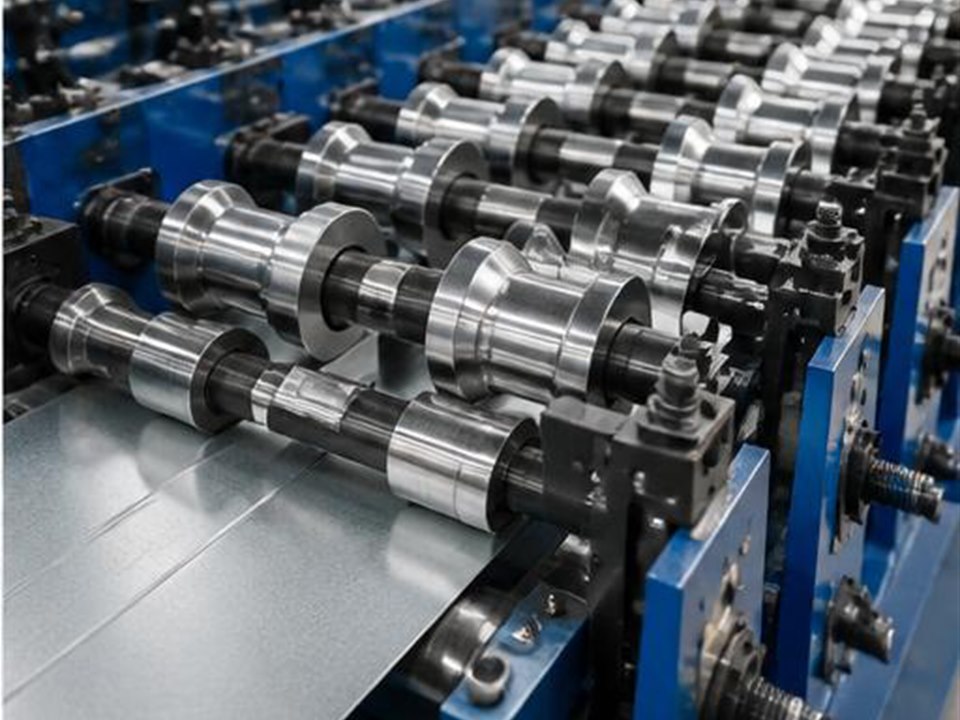
The rollers directly shape the metal coil, so their material, machining accuracy and surface treatment affect both the finished profile and the working life of the machine.
For applicable Shuoen roofing machine configurations, the forming rollers are made from 45# steel and undergo forging, polishing, heat treatment and chrome plating. These processes are intended to improve roller strength, surface smoothness and wear resistance.
Well-processed rollers help address several common production concerns:
Marks or scratches appearing on the roofing sheet surface;
Panel dimensions changing after extended production;
Frequent adjustment caused by premature roller wear;
Inconsistent profiles between different production batches.
This is especially important for manufacturers producing roofing panels in volume, where small profile variations can lead to installation problems, material waste or customer complaints.
A motor is not just a specification on a quotation. It provides the power required to keep the forming line operating under load. If the motor is unreliable, difficult to service or poorly matched to the machine, the entire production line can be affected.
Shuoen selects established motor brands according to the machine design and the customer’s production requirements. The motor specification can be confirmed before manufacturing so that the buyer understands what will be installed.
This approach offers practical benefits:
Stable power output for continuous production;
Clearer technical documentation and component identification;
Easier sourcing of maintenance support or replacement parts;
Reduced uncertainty when servicing the machine locally.
The appropriate motor power depends on the roofing profile, coil material, material thickness and required production speed. Matching the motor to the application is more meaningful than simply selecting a larger number on the nameplate.
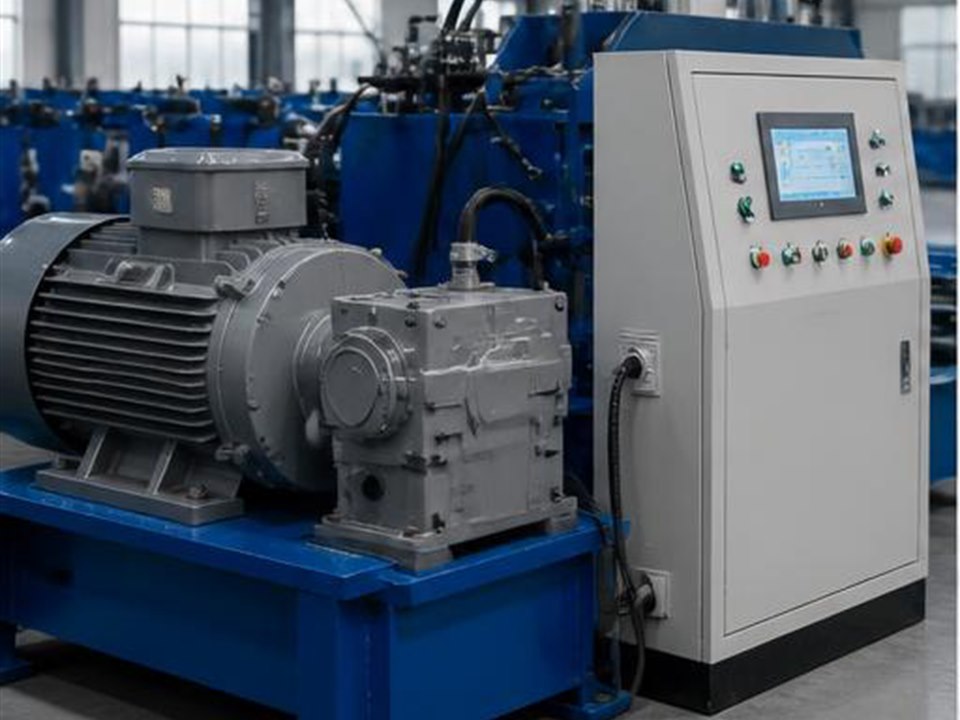
Inaccurate cutting can create sheets with inconsistent lengths, rough edges or deformation near the cut. These problems increase material waste and may slow down installation at the construction site.
Applicable Shuoen configurations use a hydraulic cutting system with Cr12MoV cutting components and PLC length control. The cutting system works with the control unit to complete production according to the preset sheet length and quantity.
A dependable cutting arrangement helps users achieve cleaner cuts, more consistent finished dimensions and fewer interruptions for blade adjustment. It also reduces dependence on manual measuring during routine production.
A roof roll forming machine may travel a long distance by sea, remain in storage before installation and then operate in a workshop exposed to dust, moisture and temperature changes. Surface protection therefore has a practical role.
Shuoen pays attention to surface preparation and paint application on the machine frame, welded areas, edges and other exposed steel surfaces. Careful finishing improves coating adhesion and helps protect the machine during transportation and long-term workshop use.
For the owner, durable surface finishing can mean less peeling, fewer early signs of corrosion and less need for repainting shortly after installation. It also reflects the level of attention given to details that remain visible after the machine leaves the factory.
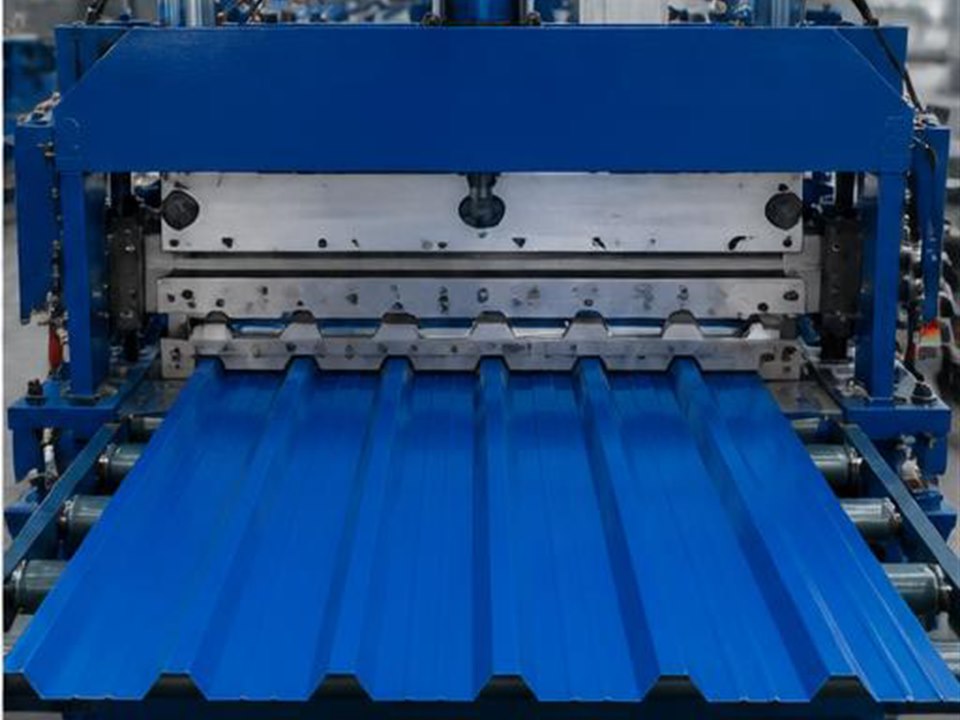
Operators need to control sheet length and production quantity accurately without repeatedly measuring every panel by hand. Complicated controls or unclear settings can increase training time and production errors.
Shuoen roof roll forming machines can integrate PLC control for setting production length and quantity. After the required parameters are entered, the line performs forming and cutting according to the selected values.
This helps simplify worker training, reduce manual measurement, improve production planning and limit material waste caused by operating mistakes. Electrical configurations can also be prepared according to the customer’s local voltage, frequency and operating requirements.
A roofing sheet roll forming machine should be configured around the product the customer actually plans to manufacture. Before recommending a solution, the following information is important:
Roofing panel profile drawing or physical sample;
Coil material, thickness and yield strength;
Input and effective panel width;
Required production speed and daily output;
Local voltage and frequency;
Preferred level of automation;
Available workshop space and installation conditions.
Using these details, Shuoen can discuss suitable forming stations, roller design, motor power, cutting method, control components and supporting equipment. This application-based approach helps reduce the risk of purchasing a machine that does not match the intended material or finished profile.
Compare the frame construction, roller material and treatment, motor specification, cutting components, PLC and electrical brands, suitable coil range, warranty and after-sales support. A quotation with clear component information is easier to evaluate than one that only lists machine speed and price.
Material quality is important, but design, machining, assembly and component matching are equally important. A reliable machine combines suitable materials with accurate manufacturing and a configuration designed for the customer’s roofing profile.
Yes. Buyers can discuss component preferences and confirm the agreed configuration before the machine enters production. Availability may vary by machine model and destination market.
Yes. Shuoen supplies machines for trapezoidal, corrugated, glazed tile, double-layer and other metal roofing profiles. The final design is based on the customer’s drawing, material and production requirements.
Provide accurate material and profile information before manufacturing, confirm the electrical standard, review the machine configuration and request a factory test before shipment. Clear communication before production helps reduce avoidable changes after delivery.
The long-term value of a metal roofing machine comes from how consistently it performs after installation. Quality steel, carefully processed rollers, dependable branded components, accurate cutting, practical controls and durable surface finishing each address a different production risk.
Shuoen Machinery brings these details together to help roofing sheet manufacturers reduce avoidable downtime, maintain consistent panel quality and operate with greater confidence.
To receive a suitable machine proposal, send Shuoen your roofing profile drawing, coil specifications, required output and local electrical standard. Our team can recommend a configuration based on your actual production needs.


 +86 19331572740
 +86 19331572740
 admin@tsshuoen.com
