
Adding value for your metal plate products.


For a nail factory, a machine that runs fast for a short demonstration is not enough. The real production challenge is maintaining stable wire feeding, consistent nail forming and practical maintenance through repeated shifts without allowing small problems to become scrap or downtime.
That makes the better purchasing question: How can a high-speed nail making machine improve output without sacrificing stable daily operation? Buyers should evaluate the complete process—from incoming wire and adjustment to cutting, heading, lubrication, inspection and maintenance—rather than comparing an advertised speed alone.
Production efficiency is the amount of acceptable product made in the available working time. A higher nominal speed creates little value if the line stops frequently, produces inconsistent nails or requires long adjustments between orders.
A stable machine provides the feature of coordinated feeding, forming and cutting. The advantage is a more repeatable operating condition. The benefit for the nail factory is more usable output, less rework and more predictable order planning.
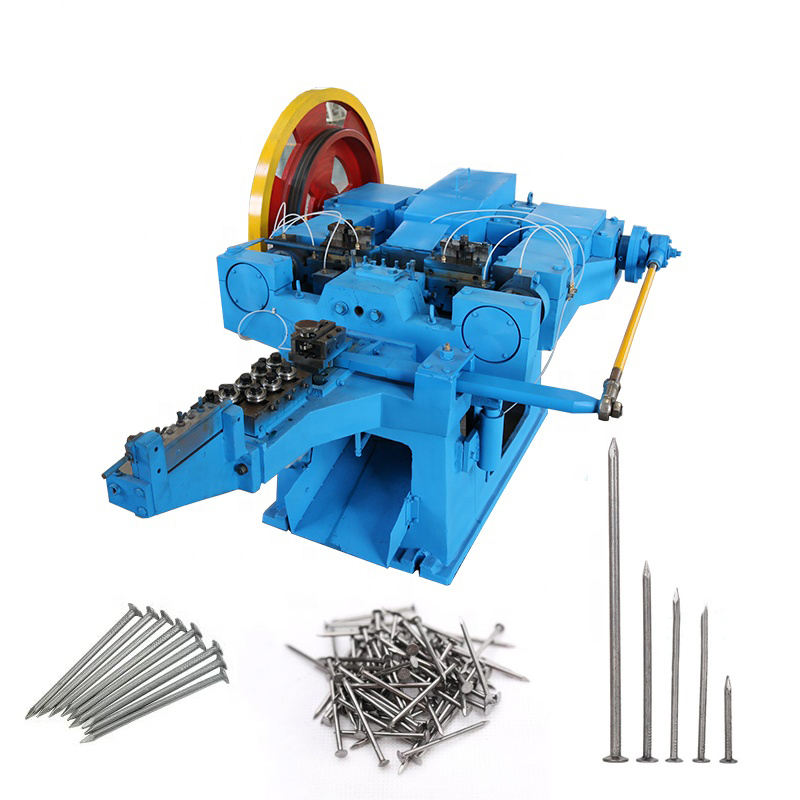
The nail machine can only form the wire it receives. Changes in wire diameter, surface condition, straightness or mechanical behavior may affect feeding, cutting and heading. Before selecting a machine, the buyer should define the intended wire material and the required nail range.
Wire preparation should also be considered as part of the production line. Depending on the raw material and factory process, preparation may include descaling, wire drawing, cleaning or another agreed treatment before the wire enters the nail machine. Clear raw-material information helps the supplier evaluate the suitable configuration and test conditions.
Each nail begins with a controlled length of wire entering the forming area. If feeding becomes irregular, the finished length and the timing of subsequent operations may also become less consistent.
A practical factory test should therefore show more than a few finished nails. Buyers should observe the wire path, straightening arrangement and feed adjustment during a continuous run. They should also ask how the setup is changed when the planned nail specification changes.
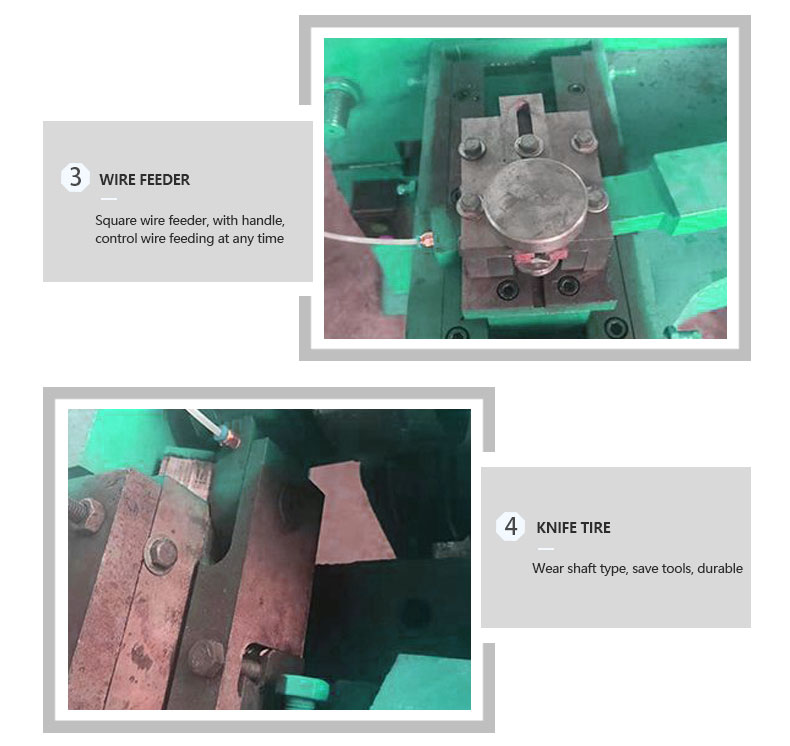
The cutting and heading stages directly shape the nail. Worn tooling, unsuitable adjustment or an unstable feed condition can contribute to inconsistent length, poorly formed heads, irregular points or unnecessary material loss.
Buyers should confirm which parts are adjusted for the intended nail range, which components are normal wear items and how the first finished pieces are inspected after setup. A clear inspection method is more useful than a general promise of precision because it gives the operator a repeatable acceptance standard.
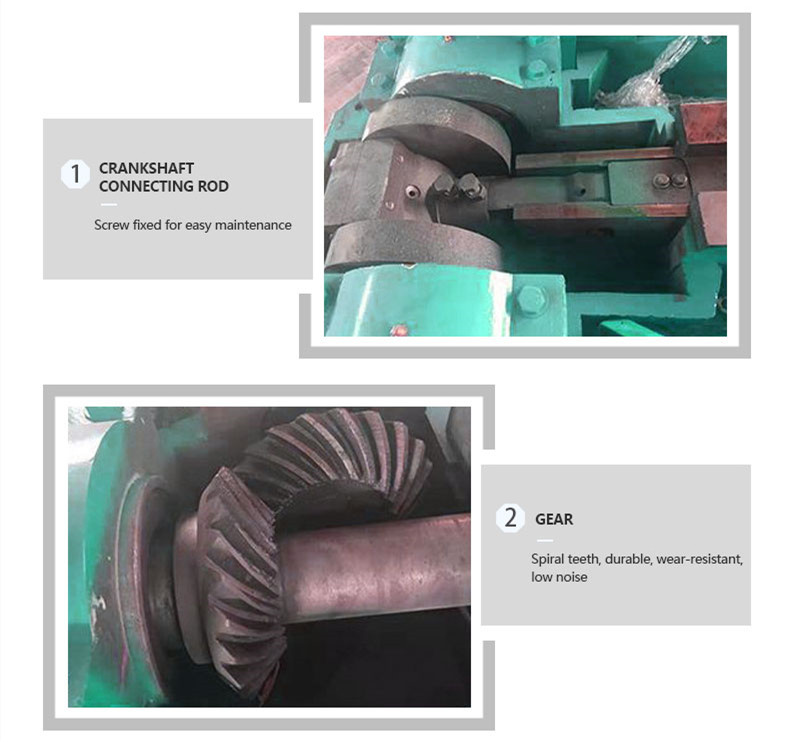
Reliable operation depends on the condition and coordination of the mechanical system. Drive components, moving joints, gears, bearings, lubrication points, fasteners and guards should be accessible for routine checking and maintained according to the supplier's instructions.
Regular lubrication and inspection provide the feature of controlled preventive maintenance. The advantage is that wear or looseness can be found before it causes a larger stoppage. The benefit is more predictable production and less emergency repair during an urgent order.
When a factory changes nail size, wire or tooling, the first pieces should be treated as a controlled setup trial. Starting full production before checking the result can turn a small adjustment error into a large quantity of rejected nails.
A practical changeover sequence is:
Confirm the approved wire and nail specification for the order;
Inspect the feeding path, tooling and lubrication condition;
Apply the documented setup for the required product;
Produce a short trial batch at a controlled operating condition;
Check nail length, head, point and general appearance;
Record the accepted settings before continuous production.
This method reduces random adjustment and helps experienced operators transfer useful setup knowledge to new workers.
A meaningful quotation and factory test require clear input information. Buyers should provide:
Wire material, diameter range and surface condition;
Required nail types and dimensional range;
Expected shift pattern and production objective;
Local voltage and frequency;
Available workshop space and material-flow plan;
Required supporting equipment and downstream handling;
Preferred spare-parts package and operator documentation.
Ask the supplier to test the agreed product, identify adjustment points and explain the inspection procedure. Buyers should also confirm safety guarding, emergency-stop arrangements and operator training for the proposed machine configuration.
Maintenance planning should begin before shipment. Request a list of routine service points, recommended consumables, wear parts and critical spare parts. Confirm how tooling is identified and how replacement parts can be ordered later.
For factories in distant markets, clear documentation and a sensible initial spare-parts package can shorten future downtime. The exact package should be based on the selected machine and the planned nail range rather than a generic list.
Not automatically. Usable output depends on stable feeding, correct tooling and adjustment, raw-material consistency, operator practice, maintenance and the percentage of nails that pass inspection. Compare the complete production process, not only a stated speed.
Provide the planned wire specification and clear requirements for the finished nails. When practical, use representative production wire so feeding, forming, cutting and finished quality can be evaluated under relevant conditions.
The supported range depends on the specific machine configuration and tooling. Confirm every planned nail specification with the supplier and ask what must be adjusted or changed during a size changeover.
Follow the supplier's manual and local safety procedures. Typical checks include wire feeding, finished-nail appearance, abnormal noise or vibration, lubrication condition, tooling wear, fastener condition and cleanliness around moving parts. Stop and investigate abnormal conditions rather than continuing production blindly.
A high-speed nail making machine creates value when it combines efficient production with repeatable feeding, controlled forming, practical maintenance and consistent finished-nail inspection. These factors determine whether the factory can meet orders reliably after installation.
Before purchasing, define the wire and nail specifications, agree on the factory-test method and review maintenance, safety and spare-parts support. Shuoen Machinery can discuss a suitable steel wire nail making machine configuration based on the buyer's actual production plan.



 +86 19331572740
 +86 19331572740
 admin@tsshuoen.com
