
Adding value for your metal plate products.


When chain link mesh begins to show uneven diamonds, unstable edges or frequent stoppages, the problem is rarely solved by increasing machine speed. Stable production depends on matching the wire, mesh specification, feeding, weaving, edge treatment and take-up process as one coordinated system.
For fence manufacturers, the practical question is: How can a chain link fence machine maintain consistent mesh during a long production run? The answer helps buyers compare machines more effectively and helps operators prevent avoidable scrap, rework and downtime.
The machine forms each diamond from continuously fed wire. If the wire diameter, coating or straightness varies, the forming and weaving process may also become less consistent. Galvanized wire, PVC-coated wire and stainless steel wire can have different handling characteristics, so the planned raw material should be discussed before the machine configuration is confirmed.
Buyers should provide the intended wire type and diameter range together with the required mesh opening and fence width. This allows the supplier to evaluate whether the feeding and forming arrangement is suitable for the actual product rather than a general description.
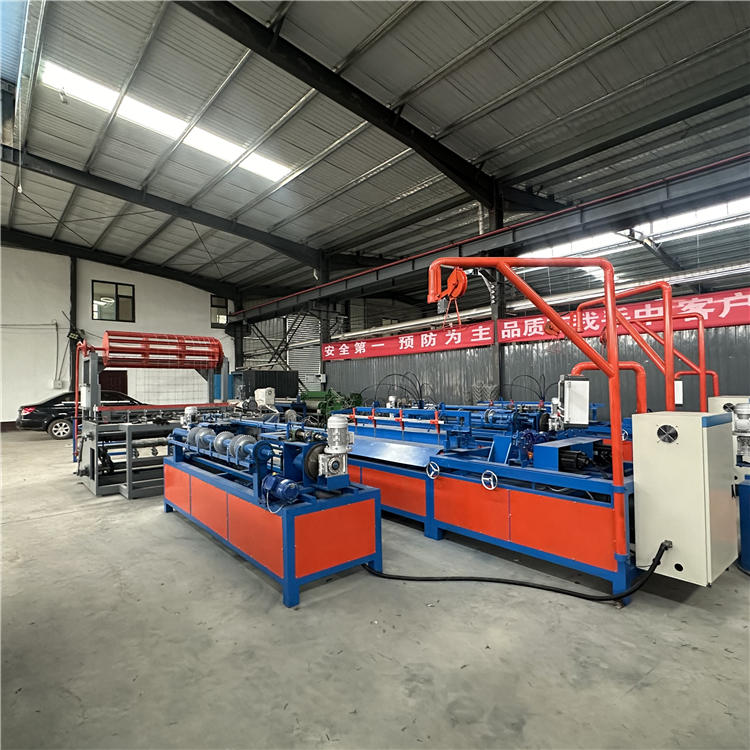
Wire must enter the forming section steadily. Irregular feeding or changing tension can affect how the spiral is formed and how each new strand interlocks with the previous one. The visible result may be uneven mesh openings, distorted diamonds or an unstable fence edge.
A well-arranged feeding path provides the feature of controlled wire delivery. The advantage is a more repeatable forming condition. The benefit for the factory is less time spent correcting mesh appearance and fewer rolls rejected during inspection.
During a factory test, buyers should observe the wire path and ask how operators adjust feeding for the intended wire range. The test should use material that is reasonably representative of future production.
Chain link fence is produced by forming wire into spirals and interlocking them into a diamond pattern. The tooling and operating setup must therefore correspond to the required mesh opening and wire diameter.
Changing to a different fence specification may require setup changes. A clear changeover method is more valuable than a broad claim that one machine can make many products. Buyers should ask which parts are adjusted or replaced, what reference settings are recorded and how the first finished section is checked after a changeover.
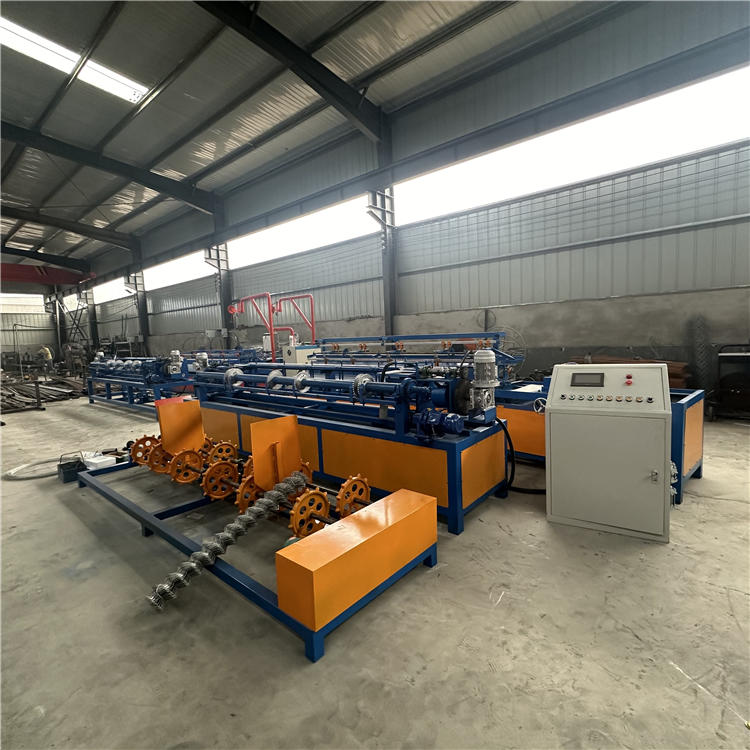
A fence roll is not complete when the diamonds are formed. The upper and lower edges must be finished according to the buyer’s product requirement. Depending on the intended fence design, the edge may require knuckling, twisting or another agreed arrangement.
Consistent edge finishing helps prevent loose wire ends, reduces manual correction and makes the finished roll easier to handle. Before ordering, buyers should specify the required edge style and confirm how it is produced and adjusted on the proposed machine.
Frequent stops may come from several sources: inconsistent raw material, unsuitable feeding, an incorrect weaving setup, accumulated wire at the finishing section or a take-up process that does not keep pace with the mesh being produced.
Instead of changing several settings at once, operators should follow a simple diagnostic sequence:
Confirm that the wire specification matches the approved production setup;
Inspect the wire path for obstruction, irregular tension or coating damage;
Check the forming and weaving tooling for wear or incorrect adjustment;
Verify the required mesh opening and edge style against the work order;
Observe whether mesh collection or rolling is creating resistance;
Record the cause and corrective action before restarting full production.
This structured approach reduces random adjustment and creates useful production knowledge for future orders.
Finished mesh must be collected, rolled or arranged without pulling against the weaving process. If the downstream handling is poorly coordinated, the operator may need to stop the machine to clear accumulated material or correct the roll.
The collection method should suit the planned fence width, roll format, workshop layout and labor arrangement. Buyers should examine the complete material flow—from wire input to finished fence roll—rather than judging only the central weaving unit.
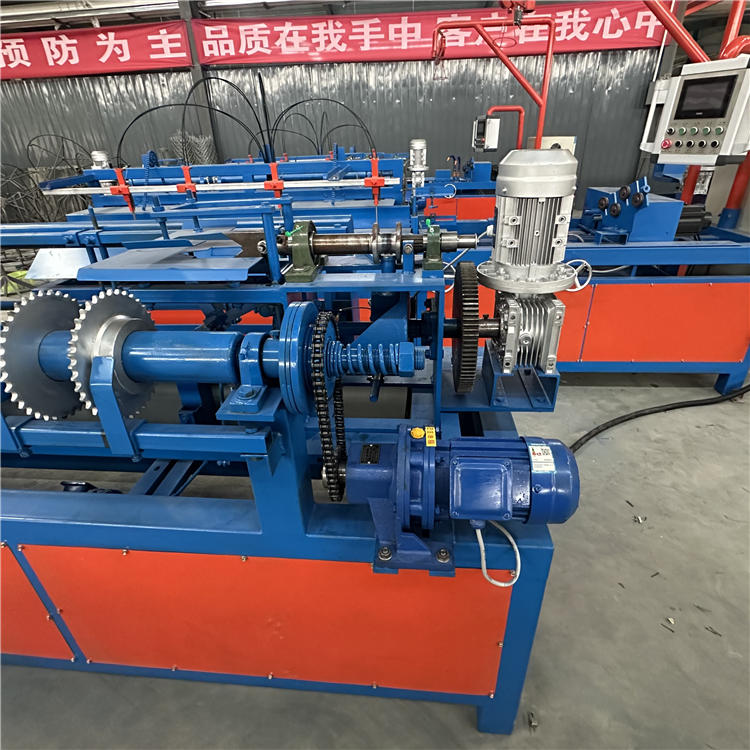
A useful factory test should be based on an agreed fence specification. Before the test, confirm the wire material and diameter, mesh opening, fence width, edge style and finished roll requirement. Voltage and other electrical requirements should also be agreed before manufacturing.
During the test, buyers can check whether the machine feeds wire steadily, forms a regular diamond pattern, completes the required edge treatment and collects the finished mesh without repeated intervention. The first section and later sections of the run should be compared to see whether the setup remains consistent.
Ask the supplier to record the approved setup and identify routine adjustment points, wear parts, maintenance locations and operator safety procedures. This documentation supports faster commissioning and more repeatable changeovers after delivery.
The suitable arrangement depends on the intended product range, production plan, operator experience and required configuration. Provide the wire, mesh opening, fence width and output objective so the supplier can explain which arrangement is appropriate and how it will be tested.
Compatibility depends on the machine configuration and the specific wire range. Coating condition and wire behavior should be considered, not only nominal diameter. Confirm each planned material with the supplier and include representative wire in the factory test when possible.
Use documented reference settings, inspect the tooling and wire path, produce a short trial section and verify the diamond opening, width and edge finish before starting the full order. A controlled first-piece check is usually more efficient than correcting a complete roll.
Include wire material and diameter, mesh opening, fence width, edge style, roll requirement, expected production plan, local voltage and available workshop space. Clear input information makes technical comparison more meaningful.
Consistent chain link fence is produced by a complete process: suitable wire, steady feeding, matched weaving tooling, controlled edge treatment and coordinated collection. Focusing only on advertised speed can hide the factors that determine daily output and scrap.
Before purchasing, define the finished fence specification and use it as the basis for machine selection and factory testing. Shuoen Machinery can discuss a suitable chain link mesh making machine configuration after reviewing your wire, mesh opening, fence width, edge style and electrical requirements.


 +86 19331572740
 +86 19331572740
 admin@tsshuoen.com
